
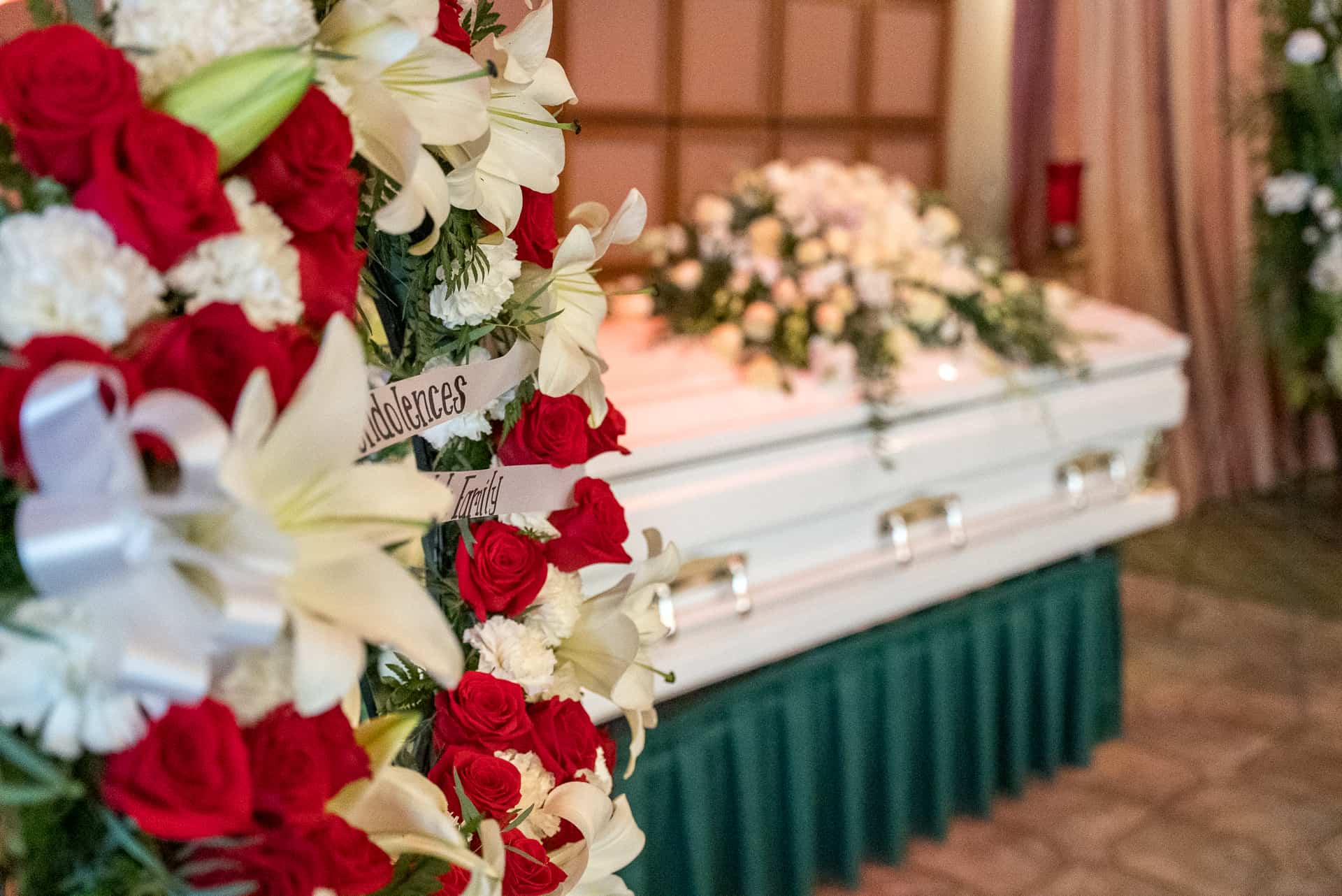
Whether you’re planning for yourself or for a loved one, the funeral service is one of the most meaningful parts of a person’s final arrangements. Learning how to plan a funeral starts with knowing there’s no single right way to do it. With room for personalization, a service can become a true reflection of the life it honors, and at BONNEY WATSON, we believe every service should be as unique as the person it celebrates.
Planning a Funeral: First Steps
When you’re planning a funeral, you’re doing one of two things: pre-planning your own arrangements or a family member’s future wishes, or arranging a service for a loved one who has already passed. Which one you’re doing will shape your first steps. Either way, every funeral involves three core decisions: the method of disposition, the final resting place, and the type of service or memorial. If you’re not sure where to begin, our team at BONNEY WATSON is here to gently guide you, whether you’re planning ahead or planning right now.

How Long Does It Take to Plan a Funeral?
At BONNEY WATSON, we do our best to work within your timeframe to respect families’ wishes and accommodate religious considerations. However, the time it takes to fully plan a funeral can vary based on additional factors such as family travel time, the time required to obtain a death certificate, and cemetery or venue availability. If the loved one has planned some of their arrangements and wishes in advance, this timeline might be shorter or less involved.
Planning a Funeral in Advance
If you are planning a funeral in advance, there’s no real time pressure. You’re simply putting your wishes into words, on your own time. At BONNEY WATSON, a Family Service Director meets with you at a convenient time to record your wishes, covering everything from the type of service to casket, urn, music, and flowers, with no pressure since the decisions are all yours. This can take as little as one meeting, or be spread across a few conversations if you want to think things through. While planning ahead allows you to work within your desired timeline and schedule, we encourage people to start having these conversations and considerations earlier rather than later to ensure that your wishes are honored and the people you love have a clear path to follow.
Funeral Planning Checklist
When a death occurs, there are many things to consider and decisions to make. Start by reviewing some of our steps here on what to do immediately after a loved one passes.
When starting to plan for a funeral, whether it is your own or a loved one’s, here are some key considerations to make:
- Get in touch with a funeral home to schedule an appointment and begin making arrangements
- Decide on traditional burial, cremation, or terramation
- Would you like a visitation or viewing before the service?
- Would you prefer an open or closed casket, if one is present?
- Should the service be held at a place of worship or at the funeral home?
- How would you like friends and family to be involved in the service?
- Who should officiate or deliver the eulogy?
- What music, readings, or scripture would you like included?
- Should family be present at the time of cremation (a witness cremation)?
- What type of urn or casket would you prefer?
- What is the preferred final resting place (ground burial, above-ground niche, or a cremation garden)?
- Where is the preferred final resting place, and will air transport be needed to get there?
- Plan for the Costs:
Funeral arrangements: clergy, florist, newspaper notices, transportation, casket, and/or urn
Cemetery lot, opening and closing, vault or liner, headstone or marker - Prepare an Obituary:
A Funeral Director can help you write and place this
Who to Talk to About Planning a Funeral
Whether you are planning in advance or for a loved one, talking to a Funeral Director can help ease the burden of planning a funeral. At BONNEY WATSON, our team is here to meet you where you are in funeral planning. We are dedicated to supporting you in your time of need. Our compassionate, professional staff have one primary goal in mind: to ease the burden and confusion that comes with planning a remembrance ceremony.
If you are looking to get started or have general questions, we encourage you to reach out to our team today.
Contact Us
"*" indicates required fields

